
Investing 4 min read 19 views
Build Wealth Over Time Through Saving and Investing
Improve your chances of achieving financial security by managing debt wisely, building an emergency fund, and consistently saving and investing part of your income toward long-term goals.
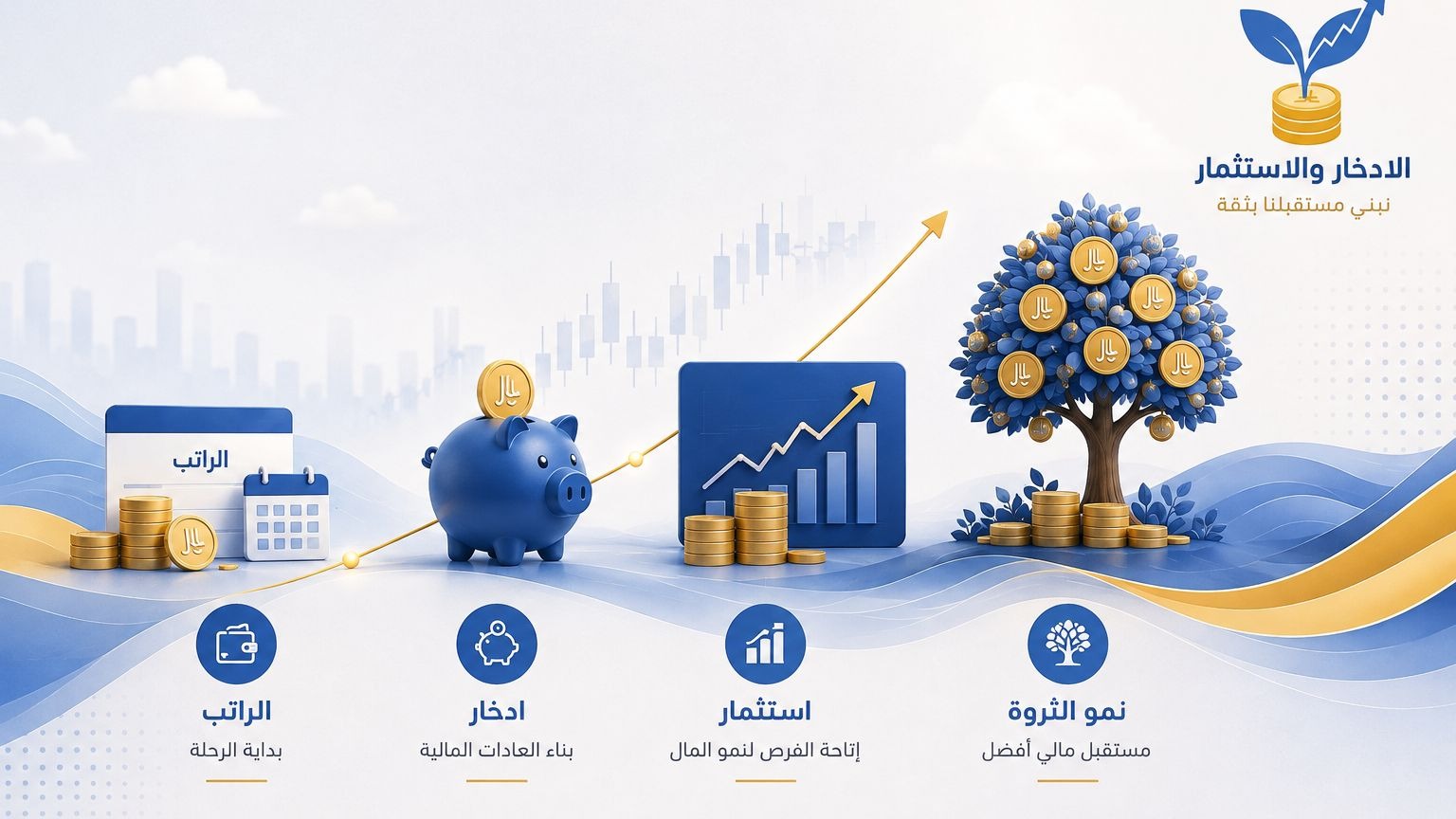
Build Wealth Over Time Through Saving and Investing
Building wealth is rarely about making money quickly. It is more often the result of consistent financial habits: managing debt, controlling expenses, saving regularly, and investing for the long term.
The earlier you start and the more consistently you follow your plan, the better your chances of building a stronger financial foundation for the future.
1. Be Smart About Credit Card Debt
Credit cards can charge high interest rates when balances are not paid in full.
Over time, this interest can significantly increase the real cost of your purchases and keep you in debt for years.
It is difficult to rely on investments to consistently outperform the cost of high-interest debt. For that reason, paying down expensive debt and living within your means should usually be a priority.
2. Make Room to Save and Invest
Start by understanding your monthly expenses.
Knowing how much money comes in, what bills you need to pay, and where your money goes allows you to create a realistic budget that leaves room for saving and investing.
Pro Tip:
Avoid taking on unnecessarily large monthly commitments. For example, an expensive car payment may reduce your ability to save, invest, pay down debt, or build an emergency fund.
3. Save and Invest Regularly
A simple way to think about wealth building is:
Regular investing + time = greater wealth-building potential
The earlier you start, the more time your money has to grow.
Consider taking at least these steps:
Build an emergency fund in a savings account and automatically transfer a fixed amount into it regularly. This can help you handle unexpected expenses without relying on debt.
Invest consistently over time. You might choose a percentage of your income, such as 5% or 10%, or a fixed amount that fits comfortably within your budget.
As your income increases or your expenses decrease, consider increasing your investment contributions.
Investing involves more risk than keeping money in a savings account, but it may provide greater opportunities for long-term growth.
4. Take Advantage of Available Retirement and Investment Plans
Some employers offer retirement or long-term savings programs designed to help employees prepare for the future.
Depending on the country, these programs may offer tax advantages, employer contributions, or other benefits.
If such plans are available to you, review their terms carefully and consider whether they fit your long-term financial goals.
Pro Tip:
Automate your savings and investment contributions whenever possible. Automatically setting aside money when you get paid can make long-term investing easier and more consistent.
Diversification Can Reduce Concentration Risk
When choosing investments, consider diversification rather than putting all your money into one company, sector, or asset.
A diversified portfolio spreads investments across different companies, industries, or asset classes. This may reduce the impact of poor performance from any single investment.
However, diversification does not eliminate investment risk or guarantee returns.
5. Research Investment Professionals and Opportunities
Before working with an investment adviser, broker, or investment platform, verify that the person or organization is properly licensed and regulated under the laws of your country.
Review their background and understand the investment before committing your money.
Be especially cautious of investment promotions received through:
Social media
Text messages
Email
Group chats
Unsolicited advertisements
Promises of high guaranteed returns with little or no risk are a major warning sign.
Successful wealth building usually takes time. Most investors build wealth through consistent saving and investing over many years rather than through quick profits.
Frequent Trading Is Not Always Better
Trading frequently does not necessarily produce better long-term results.
Frequent buying and selling may increase fees, costs, and the likelihood of making emotional short-term decisions.
Many investors instead focus on a long-term investment strategy aligned with their goals and risk tolerance.
Watch for Investment Fraud Red Flags
Be cautious of:
Guaranteed high investment returns with little or no risk.
Unlicensed or unregistered investment professionals.
Unsolicited investment offers through social media or group chats.
Fake claims of official registration or endorsement.
Requests to pay additional money before being allowed to withdraw your funds.
Conclusion
Building wealth is a long-term process driven by consistent financial decisions rather than quick profits.
Manage expensive debt, build an emergency fund, control your spending, and regularly invest part of your income.
Most importantly, start early, remain consistent, and choose investments you understand and that match your financial goals and risk tolerance.